


Plastic Injection Parts
Definition of Plastic Injection Parts
Injection moulding is a manufacturing process that allows for parts to be produced in large volumes. It works by injecting molten materials into a mould (or 'mold' in the United States). It is typically used as a mass production process to manufacture thousands of identical items.
Advantages of Plastic Injection Parts
Strength
With the design for manufacturability, which ensures optimum ejection angles and uniform wall thickness, the liquefied resin is injected into the cavity under high pressure. It ensures that the part has no pores and the quality of the final material is the best possible. Such things can't be said about 3D-printing that uses powder or thin threads and sinters them together. As a result, the final material may have pores or unsintered regions.
Surface Finish
The surface finish of the molded part depends on the quality of the mold. The cavity is usually manufactured by CNC milling and then some finishing operations. The most widespread among them is polishing. In addition, EDM cutting is used to sharpen the inner corners of the cavity. The resulting surface finish can be as small as Ra 0.8 mcm.
Outstanding Precision
Injection Molding offers great precision compared to other prototyping techniques. For example, 3D printing will yield an IT9 at best while rapid injection molding is limited only by the mold precision, which can be as high as IT7.
Universality
3D printing with a different plastic will require a considerable rehashing of the whole system. You'll need to change the cartridge with the blank material and change a lot of settings to be able to print the same part from another plastic. In the worst case, you'll need completely different equipment. When we talk about injection molding, that isn't necessary. The mold is made of high-grade aluminum whose properties are much higher than that of any plastic. That is why you can basically use any material with the mold you've manufactured.


Why choose us
Choose the plan that suits you best.
Company technical strength
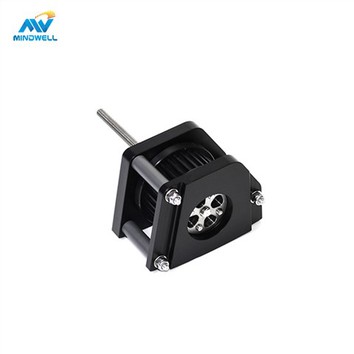
Company has advanced die-casting equipment and injection molding equipment, as well as a relatively complete enterprise management model. Our technicians can provide technical support in all aspects from product design, material selection to processing technology.
Product design
At MNW, you can choose the die-casting or injection molding process according to the size and shape of the parts you want. Our engineers give professional advice on materials, precision, and shell shape during design, and conduct simulations and tests.
Quality Management
The production of die-casting and injection-molded parts undergoes strict quality inspection, and a strict quality management system ensures stable and reliable product quality, meeting customer needs and industry standards. It has been widely recognized and praised by customers.
Supporting services
Offers a complete assembly capability, including manual and automatic assembly lines, to meet customers' needs. There is also online assembly testing and verification, committed to the goal of zero defect products, and continuous strict and reasonable process management.
The injection molding screw is crucial in melting and mixing the plastic resin and injecting it into the mold cavity to create the final product. It has zones like the feed, compression, and metering zones that work together to ensure accuracy. The screw's design can greatly impact the product's quality and consistency, making it an important component of the process.
Custom injection molding refers to the production of plastic parts tailored to a specific customer's needs, rather than mass-produced parts. It involves designing and fabricating unique molds to produce parts that meet specific design requirements, including size, shape, color, and material properties. Custom injection molding is ideal for producing low-volume or highly specialized parts.
To create the metal part, we first mix metal powder with a special material called a polymer binder. This mixture is then used to make a material called feedstock. Next, the feedstock is injected into a special mold that has the shape we want the final metal part to have. This creates a "green" mold metal part.
The mold cavity is usually made larger than the actual desired shape to account for any shrinkage that might happen as the metal cools down. After injection molding, we need to separate the metal part from the polymer binding powders. This can be done by dissolving the green metal part in chemicals or heating it. Then, we move on to the final step called sintering. During sintering, the metal part is heated in a special chamber to reduce its empty spaces.
Through this type of molding process, a high volume of production can be obtained.

Parts Of Injection Molding Machine
An injection molding machine consists of the following parts
Hopper
Screw motion
Heaters
Nozzle
Extraction Pin
Split Molds
Clamping Unit
Injection Unit
Drive unit
Hydraulic Unit
The injection unit consists of
The hopper is a large container where the raw plastic pellets are fed. It has an opening at the bottom where the pellets are introduced to the threads of the reciprocating screw inside the barrel.
The barrel contains the reciprocating screw and has heaters jacketed on its periphery.
The heaters provide thermal energy to melt the plastic pellets to their molten, viscous state.
The reciprocating screw pushes the plastic through the length of the barrel by both rotating and sliding axially. A hydraulic cylinder supplies the injection pressure. As the plastic moves along the length of the barrel, they gain fluid properties due to the combined heat, pressure, and friction. The molten plastic is accumulated in front of the screw and its backflow is prevented by a non-return valve. The use of reciprocating screw is the most common injection system in modern injection molding machines.
The nozzle introduces the molten plastic to the mold cavities. It is located in the stationary platen and is directly aligned with the front mold half.

Five most popular injection molding applications


Aerospace
The aerospace industry makes generous use of injection molding. Aerospace engineers rely on plastic injection molding to mass produce turbine blades, housings, chassis components, bezels, lenses, and more. Aerospace injection molding is pivotal partly because it allows the precise replication of specific designs, quick turnaround times, high durability, and reduced weight. Since aerospace is an industry where maximum precision is essential in every aspect to ensure safety and compliance, the replication possibilities offered by injection molding are valuable for ensuring that specific measurements and specifications can be achieved consistently. These benefits apply to commercial airlines and their vehicles while underlining the value of injection molding for defense purposes.
Automotive
Like aerospace, automotive injection molding is used to craft many plastic parts and components in most vehicles. Automotive manufacturers utilize injection-molded parts on their vehicles' exterior (bumpers) and interior (dashboards, cup holders, etc.). Again, the benefit of mass-produced parts with reliable precision, various materials, exceptional durability, and reduced weight compared to metals means injection molding will likely remain part of the automotive industry for years to come.
Consumer Products
Plastic manufacturers use injection molding to craft a vast array of consumer products that most people use daily. Water bottles and other drinkware; toolboxes or tackle boxes; plastic trays; DVD cases; children's toys - the list goes on and on and includes countless other common products. You could walk through your home right now and likely find that most of the plastics you see come from injection molds.
Defense
Injection molding for defense extends beyond aerospace injection molding (though aerospace engineering is undoubtedly part of the defense equation), including plastic components for wheeled or tracked combat vehicles, headsets and other communications devices, weapons, canteens, scopes, flashlights, and much more. Without injection molding, the production of defense-based equipment would prove significantly more challenging, and the entire process would be much slower.
Basic maintenance before and after every cycle.
Clean mold cavities with a gentle solvent.
Use compressed air to blow out the dust, debris, and water.
Ensure the dryness of the mold.
Check runners and all other parts of the mold.
Check mold hardware and connectors.
Note the dates of your mold maintenance steps.
Basic maintenance before and after every cycle - Attentively looking for any dust, and debris before the cycle and especially after the cycle will prevent a lot. This will detect the issue in no time and not compromise with the standard of the cycle.
Clean mold cavities with a gentle solvent - Residue within the cavity can hamper the shape and size of the integral process. So, simple cleaning works a long way. With the gentle solvent, they will not affect the mechanism of the system.
When assessing the effectiveness of a plastic injection molding machine, several crucial characteristics must be taken into account. An efficient machine must possess the capacity to produce parts with a high degree of accuracy and consistency, ensuring that each piece produced aligns perfectly with the desired specifications. Additionally, it should be able to produce parts swiftly, with minimal waste, thereby increasing production rates while simultaneously reducing the cost per unit. The user-friendliness of the machine also plays a pivotal role, the controls and software should be intuitive and easy to operate.
A high-quality machine should also be durable and reliable, capable of running for extended periods without malfunctioning or requiring excessive maintenance. Furthermore, a versatile machine that can handle a range of materials and mold designs would be preferable, offering greater production flexibility. After-sales service and technical support are also critical, as they provide solutions for any issues or problems that may arise during operation.
As the focus on sustainable manufacturing intensifies, an energy-efficient machine that minimizes electricity consumption would be a more cost-effective and environmentally-friendly option. Lastly, the machine should have inbuilt safety measures to protect the operator and prevent accidents. However, it is important to remember that the "best" machine would be one that meets specific requirements, which could include the type of parts being produced, the materials being used, production volumes, and budget constraints.
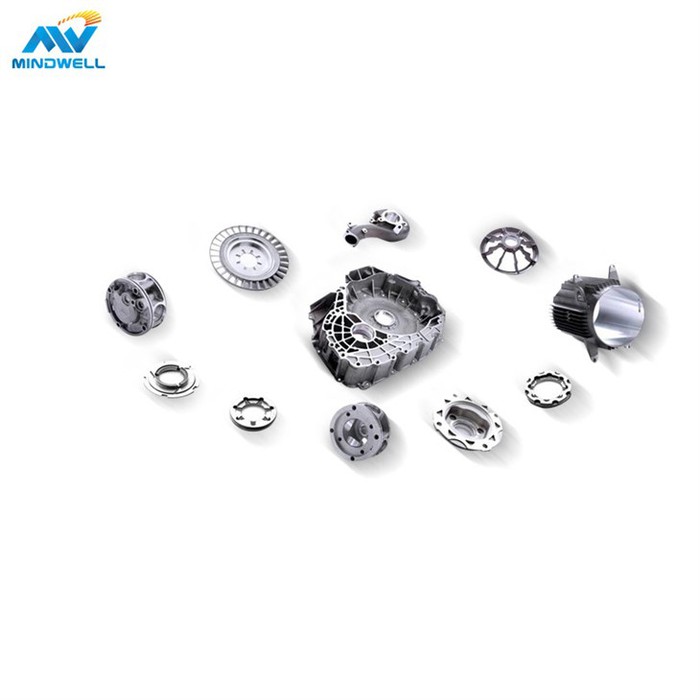

As a professional plastic injection molding and die-casting manufacturer, MINDWELL exports all the injection molded parts and die-casting parts to countries all over the world. Our factory is ISO 9001:2015 certified and has perfect quality control procedures. We also have raw material certification, CE certification, SGS certification, etc.
Our Factory
Our company is an industry & trading company that covers research and development, production, processing, and sales. Our company has lots of excellent workers who design and make a mold to reach our customer's requirements.


FAQ
We're well-known as one of the leading plastic injection parts manufacturers and suppliers in China. With 15 years' experience, our factory offers high quality plastic injection parts made in China with competitive price. Welcome to contact us for custom service.
Molded Precision Components, Injection Plastic Chair Patio Umbrella Parts