


CNC Machining Parts
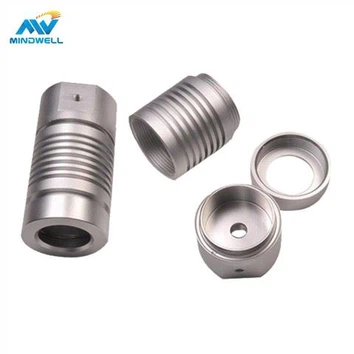
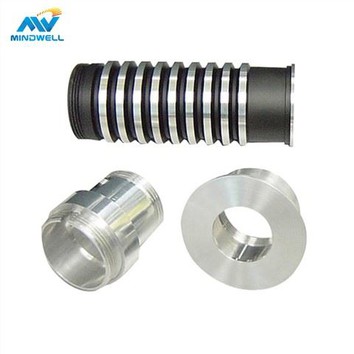
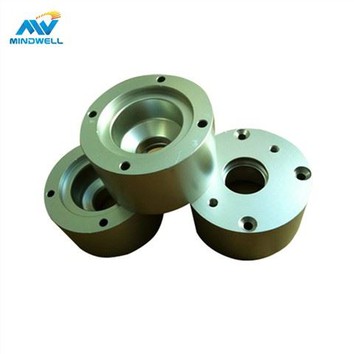
What is CNC Machining Parts
CNC stands for Computer Numerical Control. It means utilizing computerized software to control how a machine moves and operates.It works by converting a digital model of a CNC Machining Parts into a sequence of computer instructions that control the actions of the machining tools to achieve the desired outputSince it is computer-controlled, CNC Machining Parts can deliver superior levels of versatility, efficiency, and precision relative to other common manufacturing methods. This makes it a popular manufacturing choice for a vast range of industries and applications.
Product advantages CNC Machining Parts
CNC Machining Parts Generates Minimal to No Waste
CNC Machining Parts is not only efficient, but it can also minimize material wastage thanks to its precision and accuracy. As long as the part is designed properly in the computer, the machine itself will almost never make faulty cuts, so there will be fewer damaged parts to discard. The machine can handle precise cuts and angles without generating much waste.
CNC Machining Parts Is More Accurate and Has No Defects
One of the major CNC machining benefits is accuracy. Because CNC machines receive precise instructions from a computer - and the movements are similarly carried out under computer control - their results will be identical each time and will match the computer model closely. This is a huge advantage when it comes to creating parts with tight tolerances. This capability almost entirely eliminates human error from the equation.
CNC Machining Parts Offers More Rapid and Effective Production
Another industry-cornering CNC Machining Parts benefit is the inherent speed and efficiency of production. CNC machines are capable of producing products much more quickly and efficiently than traditional methods. Many modern units can even load the billet and unload the completed product without human intervention. Naturally, this capability leads to significant cost savings and increased productivity. In addition, this sort of automation makes parts more consistent.
CNC Machining Parts Makes Assembly Faster
Products whose components are created under computer numerical control are simpler to assemble. Because CNC Machining Parts is so precise and consistent, companion parts will fit together exactly as they do on the computer. And since the process is quicker than manual machining, you'll spend less time waiting for parts to be completed. Unless there is a problem in the computer model, all parts should fit together perfectly. This capability can save a lot of time and money in the assembly process, as there is no need for extensive fitting and adjustment.





Why choose us

Company technical strength
Company has advanced die-casting equipment and injection molding equipment, as well as a relatively complete enterprise management model. Our technicians can provide technical support in all aspects from product design, material selection to processing technology.
Product design
At MNW, you can choose the die-casting or injection molding process according to the size and shape of the parts you want. Our engineers give professional advice on materials, precision, and shell shape during design, and conduct simulations and tests.
Quality Management
The production of die-casting and injection-molded parts undergoes strict quality inspection, and a strict quality management system ensures stable and reliable product quality, meeting customer needs and industry standards. It has been widely recognized and praised by customers.
Supporting services
Offers a complete assembly capability, including manual and automatic assembly lines, to meet customers' needs. There is also online assembly testing and verification, committed to the goal of zero defect products, and continuous strict and reasonable process management.

CNC machining is a manufacturing process suitable for a wide variety of industries, including automotive, aerospace, construction, and agriculture, and able to produce a range of products, such as automobile frames, surgical equipment, airplane engines, gears, and hand and garden tools. The process encompasses several different computer-controlled machining operations—including mechanical, chemical, electrical, and thermal processes—which remove the necessary material from the workpiece to produce a custom-designed part or product. CNC machining operations including:
Drilling
Milling
Turning
CNC Drilling
Types of CNC machining support software
Types of CNC Machining Support Software
The CNC machining process employs software applications to ensure the optimization, precision, and accuracy of the custom-designed part or product. Software applications used include:
CAD
CAM
CAE


CAD: Computer-aided design (CAD) software are programs used to draft and produce 2D vector or 3D solid part and surface renderings, as well as the necessary technical documentation and specifications associated with the part. The designs and models generated in a CAD program are typically used by a CAM program to create the necessary machine program to produce the part via a CNC machining method. CAD software can also be used to determine and define optimal part properties, evaluate and verify part designs, simulate products without a prototype, and provide design data to manufacturers and job shops.
CAM: Computer-aided manufacturing (CAM) software are programs used extract the technical information from the CAD model and generate machine program necessary to run the CNC machine and manipulate the tooling to produce the custom-designed part. CAM software enables the CNC machine to run without operator assistance and can help automate finished product evaluation.
CAE: Computer-aided engineering (CAE) software are programs used by engineers during the pre-processing, analysis, and post-processing phases of the development process. CAE software is used as assistive support tools in engineering analysis applications, such as design, simulation, planning, manufacturing, diagnosis, and repair, to help with evaluating and modifying product design. Types of CAE software available include finite element analysis (FEA), computational fluid dynamics (CFD), and multibody dynamics (MDB) software.
Advantages of CNC machining parts
CNC (Computer Numerical Control) machining offers several advantages for the production of parts and components across various industries. Here are some of the key advantages of CNC machining:
Precision and Accuracy
CNC machines are capable of extremely high precision and accuracy. They can consistently produce parts with tight tolerances, ensuring that each piece is nearly identical to the next. This precision is essential in industries like aerospace and medical devices where even slight deviations can be problematic.
Versatility
CNC machines can work with a wide range of materials, including metals, plastics, composites, and more. They can produce complex shapes and geometries, making them suitable for diverse applications.
Repeatability
CNC machining allows for the efficient and consistent production of identical parts, which is crucial for mass production and maintaining quality standards.
Complex Geometry
CNC machines can create intricate and complex part geometries that may be impossible or very difficult to achieve with conventional machining methods.
Efficiency
CNC machining is highly efficient, and it can significantly reduce material waste compared to manual machining. The automated nature of CNC machines also means they can operate 24/7 with minimal supervision.
Cost-Effective for High-Volume Production
While CNC machining may have higher setup costs compared to manual machining, it becomes cost-effective for large production runs due to its speed and repeatability.
Industries That Use CNC Machining
CNC machining prototype productions are not tied to any single sector. People use it virtually everywhere. It helps to create everything from aircraft parts to surgical tools. We can, therefore, characterize the applications of CNC machining in different industries. The following industries gain from CNC machining purpose:

Aerospace Industry
The aerospace industry has a long-shared history with CNC machining. The machining of metal aircraft components occurs at the highest level of precision. This is highly essential for safety-critical applications. Also, the range of engineering metals compatible with CNC provides aerospace engineers with plenty of options.
Automotive Industry
The automotive industry regularly enjoys the uses of CNC milling machine for both prototyping and production. Extruded metal can be machined into cylinder blocks, gearboxes, valves, axels, and various other components. On the other hand, CNC machines plastics into components like dashboard panels and gas gauges.

Consumer Electronics
CNC machining also helps in the prototyping and production of consumer electronics. These electronics include laptops, smartphones, and many others. The chassis of an Apple MacBook, for example, comes from the CNC machining of extruded aluminum and then anodized.

Defense Industry
The military sector frequently turns to CNC machining for the prototyping of rugged and reliable parts. The intention of the machining is to allow the parts to withstand wear and tear with minimal upkeep.
What are the Materials Used in CNC Machining
CNC machines are used on a vast array of materials. Each material has its own optimal set of machining parameters (speeds and feeds) to successfully machine the material. The most common materials are:
Meal is easily the most commonly used material in CNC machining. CNC machines can cut almost any type of metal from free-machining brass to nickel superalloys like Inconel. Metal machining covers a range of applications from injection molds to shafts and gears.
While the vast majority of plastic parts are manufactured using injection molding, CNC machining may be used to produce certain plastic components. Typical materials can include ABS (acrylonitrile butadiene styrene), nylon, and polycarbonate. Plastic machining applications can include valve bodies, bushings, and injection molding prototypes to check the overall function of the part before investing in expensive molding tools.
CNC routers are most often used to cut wood and are generally cheaper than standard metal cutting CNC machines. CNC machining of wood is most commonly done for decorative purposes. Common applications include furniture, window frames, and ornamental panels.
Polyurethane foam (either closed or open-cell) is commonly used in CNC machining applications. Foam blocks can be cut into snug packaging for high-value products using a CNC router. One example is the foam used in toolboxes to keep the tools secure during transport.
How Much Does CNC Machining Parts Cost
Material: Some materials are cheaper and easier to process with CNC machines than others. For example, machining Inconel will be more expensive than machining aluminum due to increased tool wear and slower cutting speeds.


As a professional plastic injection molding and die-casting manufacturer, MINDWELL exports all the injection molded parts and die-casting parts to countries all over the world. Our factory is ISO 9001:2015 certified and has perfect quality control procedures. We also have raw material certification, CE certification, SGS certification, etc.
Our Factory
Our company is an industry & trading company that covers research and development, production, processing, and sales. Our company has lots of excellent workers who design and make a mold to reach our customer's requirements.


FAQ
We're well-known as one of the leading CNC machining parts manufacturers and suppliers in China. With 15 years' experience, our factory offers high quality CNC machining parts made in China with competitive price. Welcome to contact us for custom service.
diy cnc spindle, cnc machine all parts, cnc turning aluminum parts