


Aluminum alloy die-casting is a common process in which aluminum alloy is melted, injected into a mold, and solidified under high pressure. In this process, speed control is very critical, which directly affects the quality and production efficiency of the product. This article will detail several key speed parameters in the aluminum alloy die casting process, including ejection speed, exhaust speed, gate speed, punch speed, and injection speed.
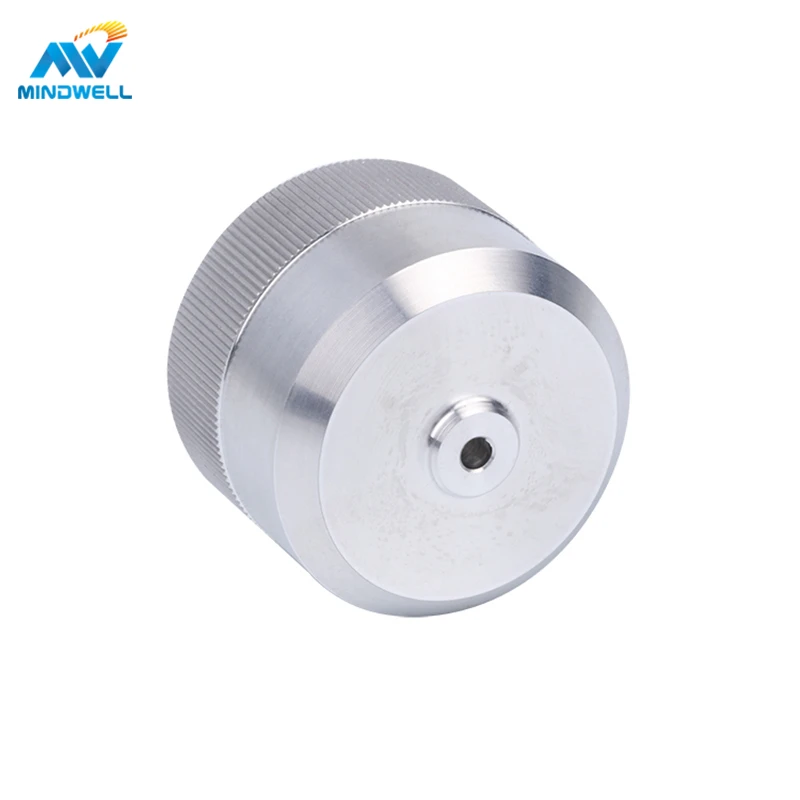
Ejection speed
Ejection speed refers to the speed at which the cooled casting is pushed away from the mold by the ejector rod during the die casting process. The control of the ejection speed directly affects the surface quality and dimensional accuracy of the casting. If the ejection speed is too fast, defects such as scratches or dents will occur in the casting; if the ejection speed is too slow, the casting will stick to the mold or cause the mold to break. Therefore, in actual production, the appropriate ejection speed needs to be determined based on specific conditions.
Exhaust speed
The exhaust speed refers to the speed at which gas is removed from the mold during the die casting process. Aluminum alloys are prone to bubbles at high temperatures. If not eliminated in time, defects such as pores and bubbles will exist inside the casting. Therefore, controlling the appropriate exhaust velocity is crucial to ensure the quality of castings. An exhaust speed that is too fast may cause liquid metal to splash, while an exhaust speed that is too slow may result in bubbles that cannot be completely eliminated. Therefore, it is very important to reasonably adjust the exhaust speed according to the shape and size of the specific casting and the characteristics of the aluminum alloy.
Gate speed
The gate speed refers to the speed at which aluminum alloy molten metal is injected into the mold during the die casting process. The control of the gate speed directly affects the filling situation and solidification process of the casting. If the gate speed is too fast, it will cause defects such as inclusions and pinholes inside the casting; if the gate speed is too slow, it will lead to uneven filling or cold insulation. Therefore, in actual production, it is necessary to determine the appropriate gate speed based on the fluidity and solidification characteristics of aluminum alloy to ensure the quality and dimensional accuracy of castings.
punch speed
The punch speed refers to the speed at which the injection piston of the die casting machine advances during the die casting process. The speed of the punch will directly affect the filling and compaction of the aluminum alloy in the mold. If the punch speed is too fast, it may cause defects such as flash and slag inclusions on the surface of the casting. If the punch speed is too slow, the aluminum alloy may not solidify completely, affecting the strength and surface quality of the casting. Therefore, in actual production, the appropriate punch speed needs to be determined according to the specific situation.
Injection speed
Injection speed refers to the speed at which the die-casting machine injects the aluminum alloy melt into the mold. The injection speed control directly affects the filling and solidification process of aluminum alloy. If the injection speed is too fast, the aluminum alloy will produce bubbles and metal splash during the filling process, thus affecting the quality and surface condition of the casting; while the injection speed is too slow, the aluminum alloy will not be able to fill the mold cavity or produce Cold insulation. Therefore, in actual production, it is necessary to determine the appropriate injection speed according to the specific casting shape and size and the fluidity of aluminum alloy.
These speed parameters play a vital role in the aluminum alloy die-casting process and are of great significance for ensuring the quality and production efficiency of castings. Therefore, in actual production, these speed parameters need to be reasonably adjusted according to the shape and size of the specific casting and the characteristics of the aluminum alloy to achieve the best die-casting effect.